


Link Familiar Triggers
Attach money actions to routines that already happen at consistent times: unlocking screens, pouring cereal, powering laptops, or turning off lights. Because the trigger is reliable, you bypass motivation dips and let the existing rhythm carry your tiny choice into repeatable, compounding benefits.
Make It Ridiculously Easy
Shrink the action until it feels silly not to complete: one dollar transferred, one bill categorized, one screenshot of spending. Ease beats intensity here, because rapid wins teach your brain that saving is safe, quick, and emotionally rewarding enough to repeat tomorrow.
Reward That Reinforces
Close the loop with a tiny celebration: a checkmark animation, a coin-drop sound, or a sticker on your calendar. The point is not extravagance but sensation. Your nervous system learns to expect a pleasant finish, which beckons you back without bargaining.

Sarah’s Round-Up Ritual
Sarah linked her morning espresso to a quick roundup transfer, then placed a tiny jar of beans beside a printed progress bar. In six months she barely noticed the effort, yet her emergency fund crossed $1,000, and the smell of coffee still whispers, save.

Miguel’s Paycheck Split
Miguel turned the vibration of payday notifications into a cue to move three percent to savings before seeing his balance. The number felt trivial, so consistency won. Two years later, he funded a certification course with cash and earned a promotion that paid back quickly.

The Family Fridge Jar
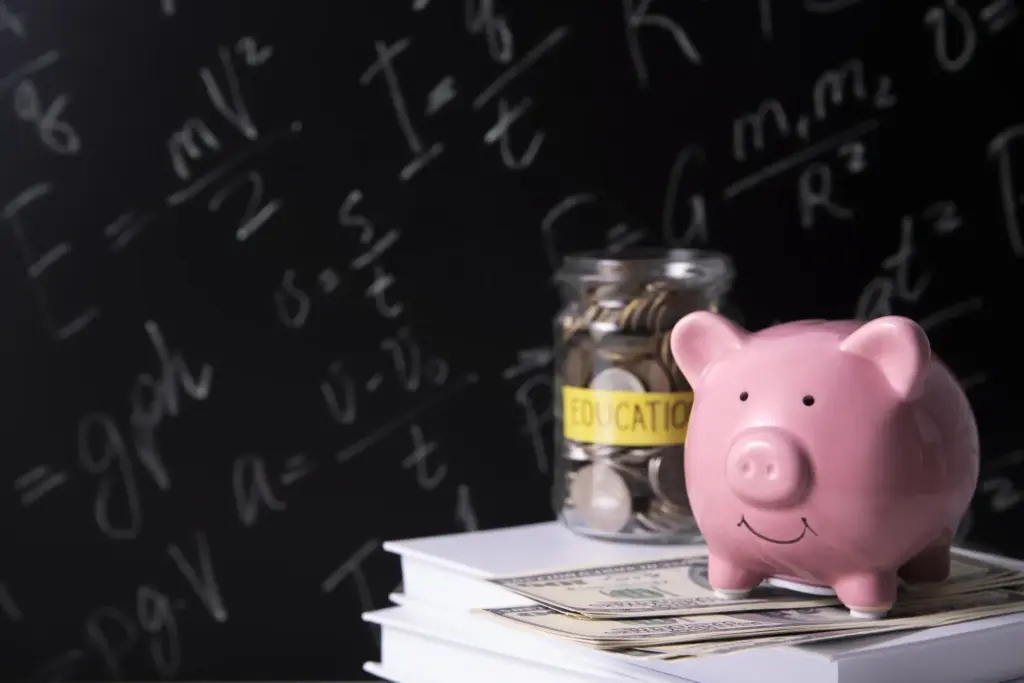
A household labeled a glass jar near the fridge with a vacation badge and slid spare bills inside each time someone opened the door. The physical nudge and visible progress sparked playful competition, helping them cover gas money for a beach trip without stress.